Twilight — pirated software before the Internet
Translated from the original Dutch article on Twilight-CD.com.
Twilight was the longest-running pirated-software series in the Netherlands and had the largest market. Published from 1996 to 2004, the collection became a huge success and a cash cow. Over the years it changed from a hobby project run by a few computer nerds into what appears to have been a ruthless underground organisation.
Over eight years, the main Twilight series comprised 89 numbered releases in 116 CD and DVD editions, containing “apps and games” and sold through informal channels from factory to end user. Those editions totalled 180 discs, counting each disc in a multi-disc edition separately and excluding Twilight Two spin-offs. While compiling the archive at Twilight-cd.com, the compilation’s former website, a picture emerged of this secretive organisation and how it changed over time.
This account is based on messages included on the Twilight discs, rumours, indirect information, and research.
1996 — The beginning
Our story begins in the summer of 1996 with a group of computer nerds who shared an unusual hobby: collecting and trying out the latest software. They had access to computer networks that were exceptionally fast for the time, through which the newest games and applications were shared. Their culture revolved around experimenting with computers and software and pushing the boundaries of what was possible. This description fits a particular community: the demoscene.
The group rapidly created, traded, and distributed cracked software, or “warez”, including software they cracked themselves. Members also occasionally acquired CD compilations containing 650 megabytes of the latest games and applications, assembled by so-called release groups. Sometimes these discs were riddled with viruses, whether intentionally or not. Even a good compilation rarely lasted beyond a few releases. The lack of a reliable, continuing supply of their beloved warez frustrated the group.
That frustration inspired them to start their own release group and compile a CD. It had to be good, and its design had to make future releases possible from the outset. The first Twilight appeared in mid-1996 and briefly explained its origins:
First of all: Welcome to this new CD! Seeing the vast collection of new CDs
of inferior quality popping up all around us lately, and being annoyed by
the total lack of a continuing series, we decided to create our own. Many
series only reach their second or third edition, with a bunch of lists
circulating of an edition which will never appear. Our goal is to keep this
CD being released on a regular basis, thus increasing your satisfaction.
Twilight’s guiding principles were quality and continuity. As events would show, this was a remarkably appealing formula.
Release 001
Ease of use was one of the product’s most important qualities. A menu was written for the first CD, serving as an interactive table of contents. Users could choose software with the arrow keys and install it at the press of a button. Some games even had screenshots to help users decide whether they were interested—all in the DOS era.
Licence keys and other protection mechanisms were usually filled in automatically or bypassed, often through the crew’s own work. Software was also stripped down as much as possible: extra music and sound were removed from games, and applications came without manuals. This made room for more on each CD.
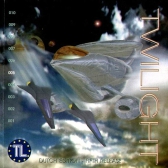
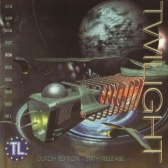
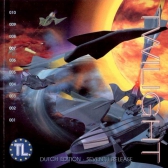
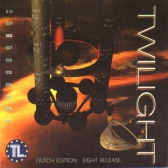
High-quality artwork completed the package. A professional design featuring a 3D spaceship decorated the front of the CD case. The spaceship was printed on the disc itself in two colours, a more expensive process requiring greater printing expertise. A logo was also created, and a consistent set of typefaces was used.
ASCII art supplied the finishing touch: pictures made from text characters and punctuation. Together, these elements created a polished, professional product that could put many commercial software publishers to shame. It was time to conquer the market.
See the contents of release 001 here. The first release also contains a hidden surprise, or Easter egg: “drunk mode”. Another secret is hidden behind the warning “do not press F5”.
A successful start
A new Twilight appeared almost every month. Each release improved the menu and included the latest software and games. By its third release, the group—now calling itself the Twilight Crew—had already reached a milestone. Many CD series never got that far, but Twilight kept going.
Sales spread through friends and acquaintances. People kept quiet about it because getting caught meant trouble. Even so, users could pass along suggestions through a distributor, a school friend who sold them the CD, or Internet Relay Chat (IRC). Requests and comments travelled from contact to contact until they reached the Twilight Crew, influencing the software and changes included in the next release.
The product became more professional. Releases 1 to 3 carried the IFPI code 4C01, identifying the discs as German-made. This tracking code was an early anti-piracy measure. It disappeared from release 4 onwards, leaving the manufacturing location uncertain. The discs might still have come from the same factory, using a different process.
The Twilight Crew tried to include the best software available at the time. That was difficult when a CD held only 650 MB. Most major titles nevertheless made it onto Twilight, sometimes without music or videos to save space. Some games, including Quake and Command & Conquer, received extra attention in the form of additional levels, trainers, and level editors. The crew lived and breathed their own product.
Because relatively few people had Internet access in 1996, Twilight grew rapidly. An estimated initial pressing of 1,500 soon rose to 5,000 and beyond. Yet the crew still regarded it as a hobby: between releases 4 and 5, they simply went on holiday. Their customers could cope. Release 4 included classics such as Duke Nukem 3D and The Settlers II, so there was plenty to play while the crew was away.
 │ [10] NEXT RELEASE OF TWILIGHT

  Well just like most of you people out there, we're going on a vacation
for some time, and after that take some time off!  And since we are
definitely NOT taking our PCs with us, expect the next release of Twilight
to arrive around September.  But you'll definitely notice when it has
arrived... :)
  So switch off those machines, and enjoy the sun!
More major titles followed after the holiday, including Red Alert. Computer enthusiasts were also catered for with utilities such as DirectX and video drivers, a practice that continued on later editions.
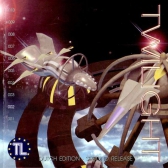
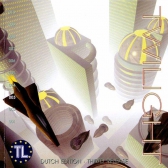
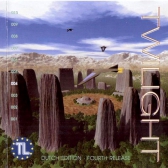
The covers of the first releases:
Releases 001 to 008, for major events regaring the series development, see the timeline.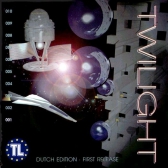
Reaping the first rewards (1997, #9–#18)
Twilight quickly became a dependable production operation. Rumours nevertheless circulated that the crew had been arrested or changed its name. Naturally, competitors hoping to take a share of its success helped spread these stories. The rumours were disproved in the new year when release 9 appeared, featuring the major title Diablo.
Release 9 is special because its creator contributed the source code. It is available on GitLab.
Competition still made itself felt. Each release carried warnings and threats such as “Be aware of cheap imitations!” and “If anybody copies our name, we will publish their full information on our next release.” Protecting the Twilight name mattered above all: its name and reputation were worth their weight in gold.
The product became more professional throughout the year. Its format evolved, leaving DOS behind and embracing Windows. In practical terms, the new Windows menu did the same job as its predecessor.
With quality still in mind, September brought the first two-CD edition. The crew said there simply was not enough space on one disc. This release also included several wallpapers—high-resolution images of artwork used on earlier covers.
To top it off, the December edition came with a poster featuring the artwork from CD 18, measuring 60 by 90 centimetres. The release also contained extra text files and information. These bonuses marked Twilight’s high point.
Several Twilight CDs included wallpaper featuring their cover artwork. A poster was produced for release 18, using the same artwork.
Competition, expansion, and criminalisation (1998, #19–#31)
Demand kept growing. More CDs were pressed and distributed each month, and the network of dealers and middlemen expanded. Traders in stolen goods such as cigarettes, music CDs, and clothing also added Twilight to their stock. An ordinary customer paid about 25 guilders for a Twilight, even for a copy.
Copies annoyed the Twilight Crew, but imitation products bothered them even more. Shortly after they made Windows 98 available to tens of thousands of customers, release 25 appeared ahead of schedule. Someone had probably gone rogue and was trying to take a share of the market.
At first glance, release 25 looked like a real Twilight: a pressed disc, full-colour printing, attractive artwork, a case, and lists of titles. Appearances were deceptive. Running the disc revealed a different menu, far fewer games, and an amateurish product. How could the Twilight Crew deal with such a pirate? Going to the police was hardly an option, and the email address left behind by the counterfeit’s creator was probably little use either.
Their only option was to make the product even more professional. Release 26 introduced a hologram on the printed packaging. The first was a badge bearing the ironic words “Seal of Quality. Buy Original – Buy Quality”. Later releases used a hologram of the Twilight logo. This seal disappeared after release 39.
 (file unavailable on original site)
Heavy blows and stalled innovation (1999, #32–#43)
The first half of 1999 passed without incident, with more warez arriving every month. Then clouds began to gather.
There was even an attractive website. It does not display particularly well in modern browsers, but here it is:
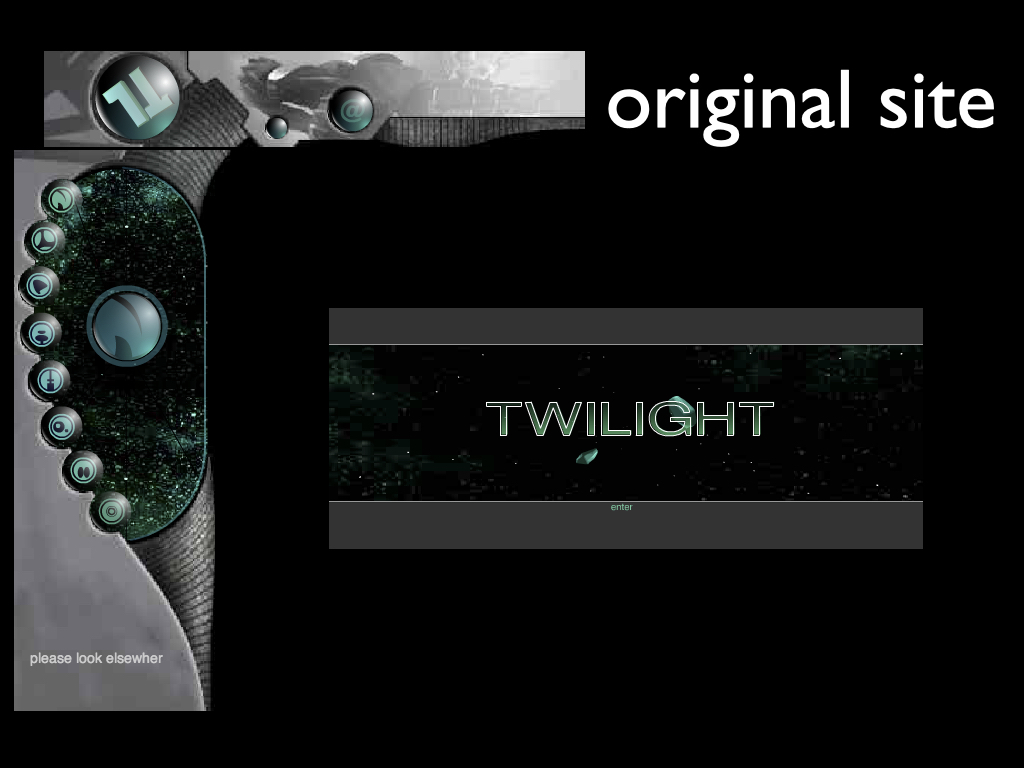
Although a new Twilight appeared each month, little changed in its format. The menu remained the same, and there was little or no newly written accompanying text—nothing about what was happening behind the scenes. Had the original creators left? Had pressure from investigators become too much?
Something was certainly happening. According to NRC and de Volkskrant, 65,000 Twilights were intercepted in August and another 32,000 in September. These were releases 039 and 040, both of which remained available. Release 39 also warned of another fake Twilight. The pressure appears to have been intense.
That “fake” release was called TL Two: Twilight Twee. It had an even more attractive disc and stylish artwork, but somewhat weaker contents.
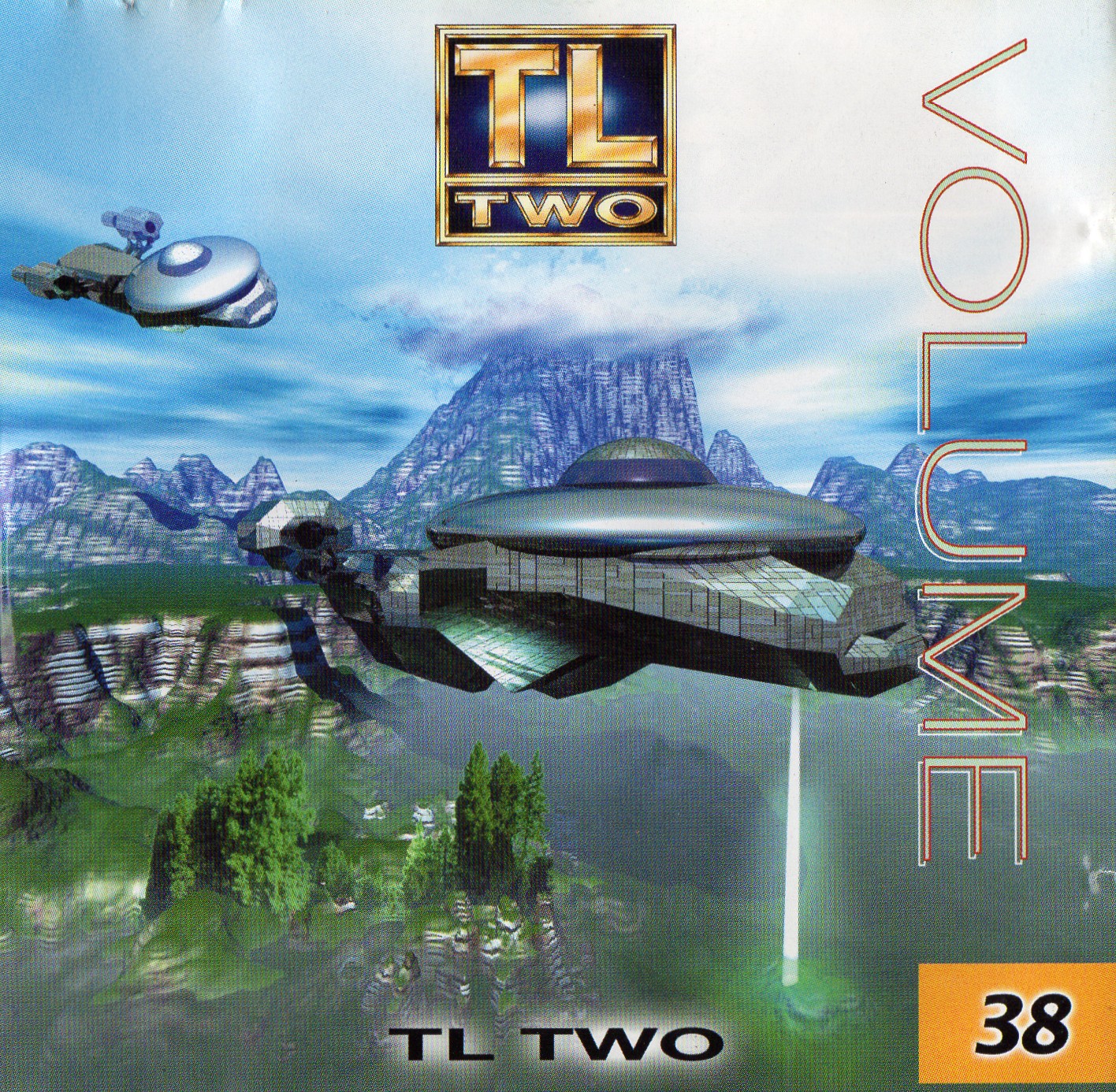
These blows effectively ended innovation in the Twilight format. The product became more anonymous: the hologram disappeared, as did the working titles used since release 11. These changes made it easier to assemble new editions without specialist knowledge. With the right tools, any IT student could now put together a Twilight; the original crew was no longer needed. Only the 3D covers remained distinctive. Twilight had been reduced to a soulless product: wrapping for software.
The menu was no longer updated for Windows 98 or 2000 either. Users began creating better installation tools, including the Twilight Database and the Universal Twilight Menu. The latter let users assemble their own releases from previously published titles.
Twilight remained a large business. It had survived the first blows, and the cash cow could still be milked. Let the money keep rolling in.
An overview of the working titles for releases 11 to 40.
| 11 | A real gamerz delight. | 21 | 747 for a piza | 31 | Happy.. oh well just happy |
| 12 | A disc of action! | 22 | Starcraft at last! | 32 | . . ._ _ _ . . . |
| 13 | For your entertainment | 23 | On little scooters | 33 | Message received |
| 14 | With a difference | 24 | Unreally real | 34 | Rollin’ |
| 15 | Bigger and better | 25 | Rock’n’Rumble | 35 | And who are these |
| 16 | The Game Zone Inc. | 26 | Shall we play a game! | 36 | Look mom, an Astroman! |
| 17 | I want that poster! | 27 | Aaargh bright light | 37 | Uncharted waters of Naboo |
| 18 | What’s that Blabla? | 28 | Kill those buggers! | 38 | Return of the Saucerman! |
| 19 | No more blabla! | 29 | Step on it! | 39 | Yes, they do |
| 20 | Balls of Croc | 30 | Go Santa go! | 40 | A summer to remember |
Bigger is Better (2000, #44 – #59)
The big news arrived in April 2000:
NEWS !! NEWS !! NEWS !!
We are very proud to tell you that as of the next release (TL48), TWILIGHT will also be available on DVD !
This does NOT mean that the 2CD will stop but now you can choose which one you want. In the future the 2CD will stop and TWILIGHT will continue only on DVD but when this will be is not sure.
CD and DVD capacities were compared alongside a 40% price increase, perhaps to cover production costs. The additional space made room for music, films, complete CDs, and other extras. DVD 49 included a bad film that even the crew criticised in a scathing review—a waste of space.
Fortunately, communication between Twilight and its middlemen still worked, and the crew listened. The film was poorly received and remained the only film ever included on a Twilight. Release 50 made amends by once again presenting Twilight as a strong brand, as it had been in late 1997.
Copycats had meanwhile gained a foothold through a distribution network probably based in Belgium. Near-perfect copies of Twilight appeared there, passing as genuine releases. The difference was almost impossible for customers to spot—one drawback of simplifying the product. Releases 42 to 51 have near-perfect counterfeits, identifiable by different disc colours and blurrier covers.
What happened behind the scenes is a matter of speculation. Twilight itself no longer said anything about it. Its website was gone, and archived community sites provide too little evidence for firm conclusions. Where Twilight fell silent, production continued and the copyright organisation BREIN supplied provocative public statements. A former employee of another anti-piracy organisation once said:
Every month we had a box of Twilights to sell to colleagues.
Internal competition and the Internet (2001–2002, #56–#79)
In 2001 and 2002, only Twilight’s covers offered hints about the organisation behind it. Christmas and New Year received appropriately themed covers featuring snow and fireworks. In 2002, CDs gave way to DVDs. Twilight was now a single DVD with two-colour printing and an A4 sheet in a DVD case.
Where competition had previously come from outside the organisation, rumours now suggested competition within it. According to these stories, some members had established their own distribution network: a breakaway operation using the same name. There were effectively two Twilights, and which one was “real” depended on whom you asked. Major customers used to receive advance information about the next release, but this was stopped to counter internal competition.
The file layout also changed. Files were placed in a kind of maze, a decidedly weak form of protection from a technical perspective. This suggests that the people releasing the alternative Twilight lacked technical expertise—or perhaps the reverse.
Stories about internal competition persisted, with violence and intimidation apparently commonplace. The original Twilight Crew probably never foresaw this; it was a stark contrast with the early days. Traces of that atmosphere can be found in the revision history of the Wikipedia article on Twilight. It was an organisation you would not want to get involved with.
Alongside its internal troubles, Twilight faced an inevitable end. The Internet brought an era to a close, leaving Twilight as a reference collection.
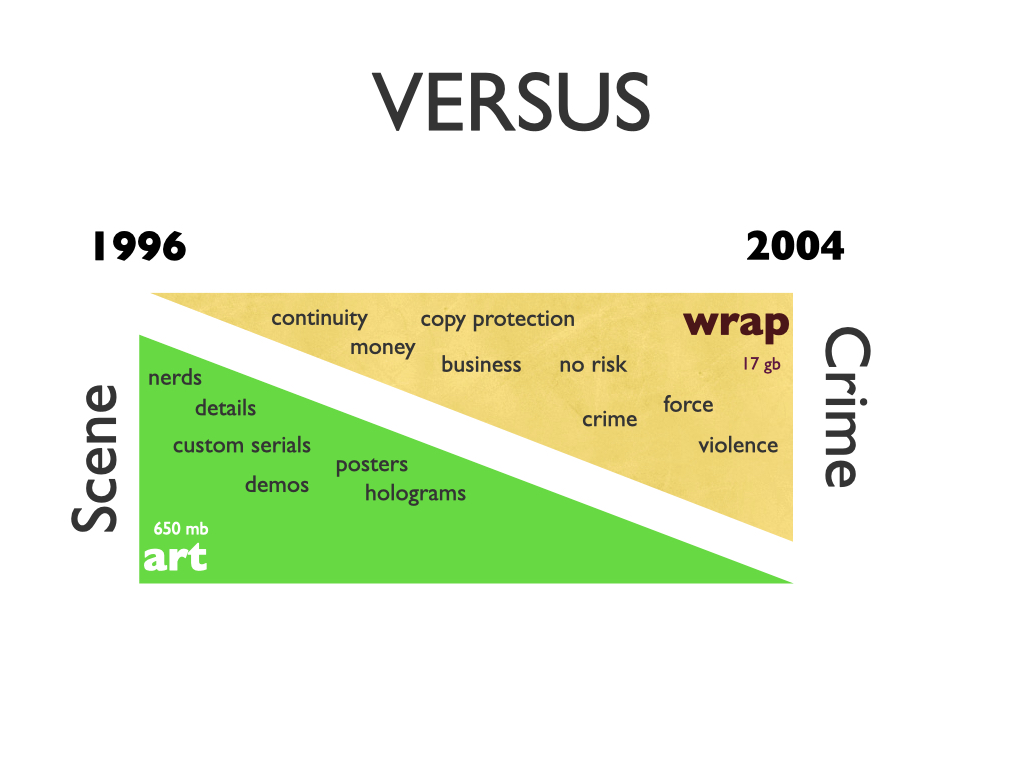
What began as a project combining art and originality ended as packaging for a hardened criminal organisation.
The end (#80–#89)
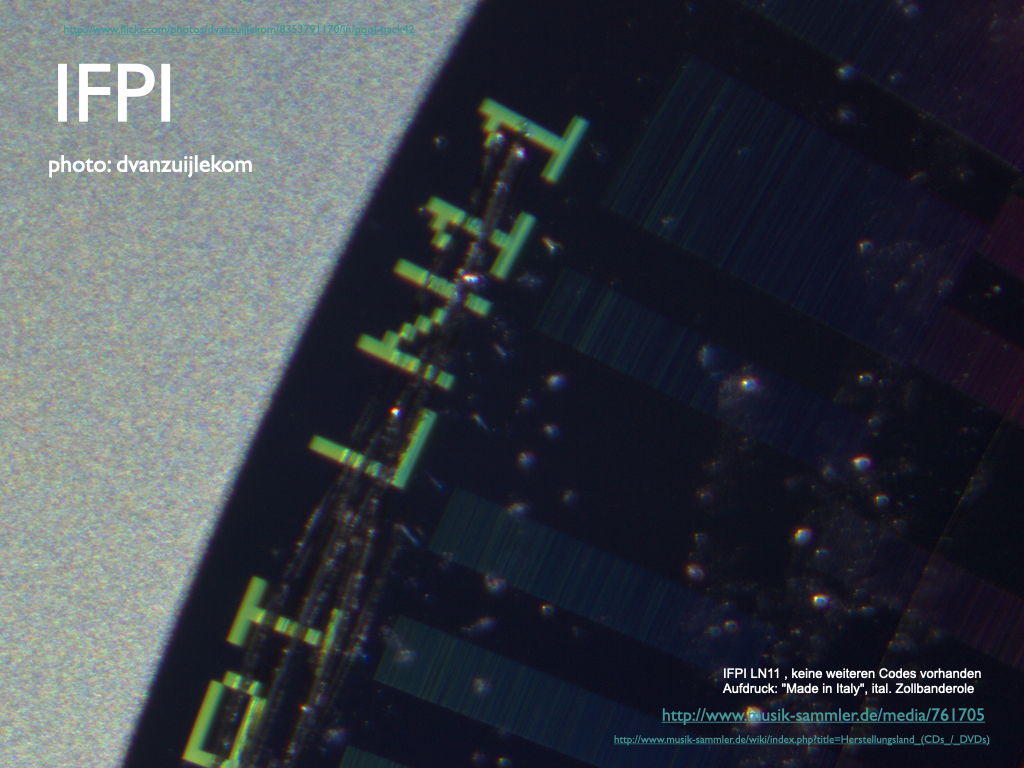
At the start of 2003, the next Twilight was a long time coming. The reason was that the organisation had been arrested. The FIOD-ECD, the Dutch fiscal and economic investigation service, had gathered enough evidence for a criminal prosecution. Releases 80, 81, and 82 appeared together in May. The 2003 discs came from a factory in Italy, identifiable from IFPI codes that had been scratched off carelessly and incompletely. Whoever did it had forgotten that CDs are holographic: the same information can be viewed from different angles.
Two articles from Stichting BREIN paint a very negative picture of the organisation and its troubles. The key sentence states that, according to the court, its violent and threatening character, in an atmosphere of fear, allowed the criminal organisation to survive for years.
A tragic end to a once-glorious product.
What followed: other groups
After release 89, several successors continued the numbering up to 127, under labels associated with badman.tk and nzbkingdom.net. The quality fell further, including poorer cover artwork. These editions were issued on burned DVDs.
At the time of writing in 2013, underground compilations were still being released, including Dutch ones intended as archives of games, tools, music, films, and applications. They circulated underground, generally in smaller quantities. It was unclear whether these were actually distributed on physical DVDs. Examples included:
- Helpdisk Issue 163: system tools and operating systems, 4 DVDs.
- Moonlight Issue 136: albums and music videos, 4 DVDs.
- Dutchbird Issue 94: music, including Dutch-language music, 4 DVDs.
- Angel Issue 96: software, ebooks, and music, 8 DVDs.
- Angel Music Issue 99: music albums, 6 DVDs.
- Daylight Issue 36: applications, games, and music.
A view from all sides
Criticism from the scene
Criticism of Twilight came not only from BREIN but also from software-scene hobbyists. These people, much like Twilight’s original creators, objected particularly to its scale and what they saw as dishonourable behaviour.
They noticed that later Twilights mainly contained software cracked by other release groups. Twilight claimed the credit on a scale bound to attract international criminal investigation. Nobody in the scene wanted that attention.
The other objection was that Twilight made money from other people’s cracking work. Copyright holders were not the only ones who objected: the people who had cracked the software did too. They considered it dishonourable.
Did society benefit?
Twilight’s audience was estimated at one million people a month. That estimate assumed households of four, 60,000 pressed copies, and extensive copying and lending. Those are enormous numbers.
Twilight and its competitors therefore had a significant effect on software distribution. So much so that considerable time and money went into criminal investigations and responses from enforcement bodies and industry organisations such as BREIN’s “BIG” and the Business Software Alliance.
Yet Twilight also had positive effects that are often overlooked:
Twilight was an ideal way to distribute and promote software. Its reach gave many people access to packages they had never heard of or could not afford. In 1996, “photoshopping” was hardly a familiar concept; now it is an everyday word. That change did not happen because young people suddenly began filling in magazine order forms for boxes of American software costing a thousand guilders.
Many people encountered professional software such as Photoshop, 3D Studio Max, and Cakewalk at an early age. They experimented and created all sorts of things. Unintentionally, that reach strengthened the Netherlands’ knowledge economy.
Software suppliers understand this today: almost every package has an inexpensive, easily found version for a broad audience. Prices have generally fallen sharply as the market has expanded. That approach scarcely existed before, and pirated software helped expose the demand. The convenience of today’s App Store was once the convenience of the Twilight menu.
Twilight was also often a sampler of the original product. Games were supplied without videos or music, allowing more to fit on a CD but compromising the experience. In that sense it became a form of “try before you buy”: someone enthusiastic about a game might eventually buy it for the complete experience. Of course, many never did.
Pirated software leaves a bad taste: something is stolen and someone else profits from the work. But there are several sides to the story, and they are often overlooked. Piracy became widespread because something was missing elsewhere. The Internet finished off Twilight; app stores, the author argues, finished off piracy. The irony is that software could be installed at the press of a button then, and now it can again. It took a long time to provide something so simple, and that was what we really wanted.
Twilight has since become one of the better archives of old games, trainers, and patches—material that can be hard to find online.
Criminal prosecution
Further digging reveals little about Twilight itself; most reports concern Crazy Bytes. BREIN’s press releases do not make clear exactly who was arrested, although rechtspraak.nl gives the financial details. Tweakers.net published an accessible account of the judgment.
The online archive at rechtspraak.nl does not go far enough back to locate other judgments involving Twilight, if such judgments exist. Searching the paper archives requires case numbers because the search has to be done manually.
As far as can be established, the atmosphere described in this article draws on accounts of the Crazy Bytes arrests. It remains unclear whether the people behind Twilight were ever arrested. If not, the author wrote, only another year or so might remain before the limitation period expired. By comparison with the Crazy Bytes judgment, the possible sentence would be less than ten years, carrying a twelve-year limitation period. If involvement continued until 2002, that period might expire in 2014 or 2015. Who knows?
Besides five years in prison, the person behind Crazy Bytes was ordered to pay €1,510,394. The limitation period would therefore matter a great deal.
Closing thoughts
In the late 1990s, Twilight became the largest, best-selling, and most impressive pirated-software compilation in the Netherlands, perhaps even in Europe. Its aims—quality and continuity—were executed so successfully that the criminal underworld took hold of it. Until 1999, the product was refined into a remarkably accurate monthly snapshot of popular software. Criminal interests then turned it into a reference collection that became increasingly hard to sell as Internet access spread. Violence and intimidation within the organisation, and pressure from investigators outside it, created an unsustainable situation. Instability and the rise of the Internet destroyed the demand.
My research began with an interest in a high-quality product, but the story took an unexpectedly dark turn. My interest and respect nevertheless remain with Twilight’s early years, when ambitious computer nerds turned a dream into reality.